January has a way of making everyone feel like they need a full reset.
New year. New goals. New promises to “eat better,” whatever that means. Suddenly your feed is full of extreme plans, strict rules, and unrealistic expectations. And honestly, it is exhausting before the year even gets going.
If you are craving a reset that feels supportive instead of punishing, fiber might be the place to start.
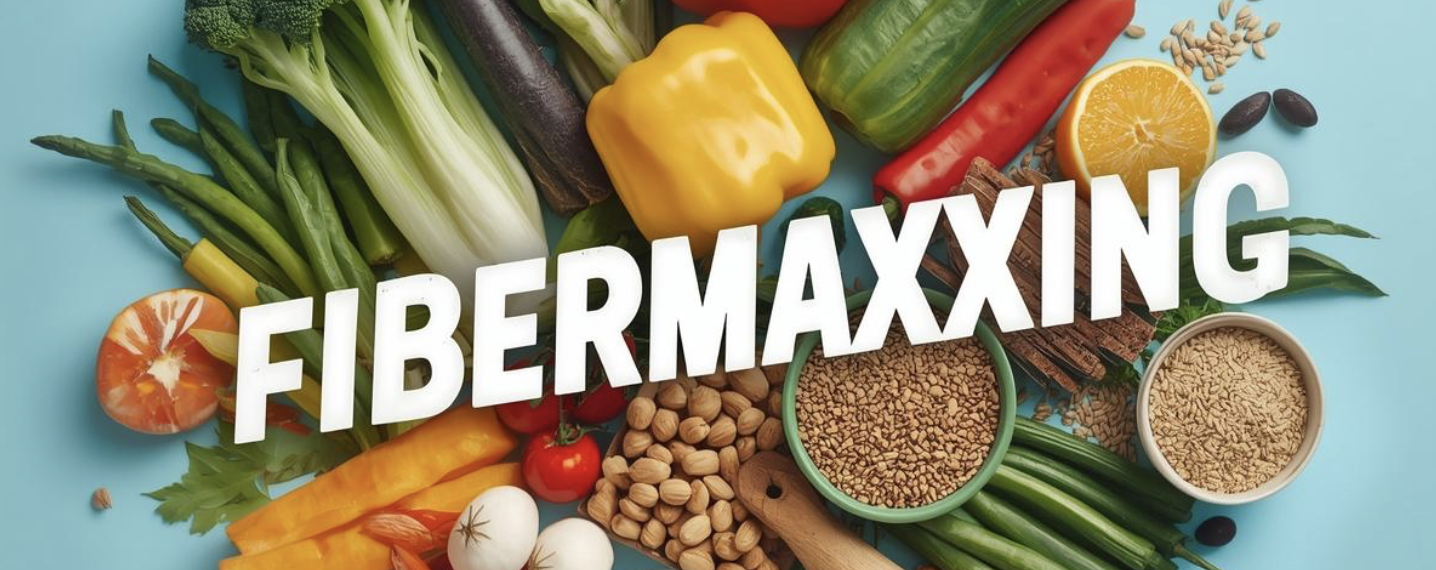
Enter Fibermaxxing
It sounds trendy, because let’s be honest, it is. Fibermaxxing is not a scientific term. It’s a social media trend that has taken a real, important nutrient and pushed it toward an extreme. Online, you may see people chasing very high fiber numbers, adding supplements on top of already fiber-heavy meals, and treating fiber like a competition.
That’s not the goal.
For the New Year, we are redefining fibermaxxing in a way that actually supports health.
What Fibermaxxing Actually Means
Fibermaxxing means making fiber a bigger part of your meals by choosing more plant foods on purpose. Think beans, vegetables, whole grains, fruits, herbs, and seeds. The mindset is abundance, not restriction.
Most adults are getting about 15 grams of fiber per day. Many women need a minimum of around 21 grams and men closer to 30 grams. Another way to look at it: aiming for roughly 14 grams of fiber per 1,000 calories can help meet these goals.
Fiber is not just about digestion anymore. It plays a role in blood sugar balance, heart health, immunity, hormone regulation, and even mood. That makes it a powerful foundation for the new year, especially if your goal is to feel better, not smaller.
Why Fiber Supports So Many Parts of Your Health
Fiber is a type of carbohydrate your body does not digest. Instead of being broken down into sugar, it travels to your colon, where your gut bacteria live.
Those bacteria are busy. When they are fed well, they help:
Support immune function
Produce compounds that reduce inflammation
Regulate appetite and fullness hormones
Improve cholesterol and blood sugar control
Communicate with the brain through the gut-brain connection
Think of your gut like an inner garden. Fiber is the water and fertilizer. When the garden is nourished, everything functions better.
The Different Types of Fiber Your Body Needs
Fiber is not one-size-fits-all. A healthy gut thrives on variety, and different fibers do different jobs in the body.
Insoluble fiber adds bulk and helps keep digestion moving. Think of it as the “sweep” for your digestive tract. You will find it in foods like:
Leafy greens and other vegetables
Whole grains such as brown rice, quinoa, and whole wheat
Fruit skins, like apples, pears, and berries
Soluble fiber dissolves into a gel in the gut, which helps lower cholesterol and slow how quickly sugar enters the bloodstream. This is especially helpful for blood sugar balance and heart health. Good sources include:
Beans and lentils
Oats and oatmeal
Chia seeds
Berries and citrus fruits
Resistant starch acts as food for beneficial gut bacteria deeper in the colon. It is called “resistant” because it resists digestion and makes it all the way to the microbiome. You can find it in:
Cooked and cooled potatoes or rice
Slightly green bananas
Beans and lentils
Whole grains that have been cooked and cooled
You do not need to track fiber types or memorize lists. If you are eating a variety of plant foods across the week, your gut is getting what it needs.
Why Fiber Gets a Bad Reputation
If fiber is so helpful, why does it make some people uncomfortable?
Usually, it is not the fiber itself. It is how fast it is added.
Jumping from low fiber eating to very high fiber overnight can lead to bloating, gas, or discomfort. That is not a failure. It is feedback, your gut is telling you it needs more time to adapt.
The solution is not to avoid fiber, but to build it gradually.
How to Increase Fiber Without Upsetting Your Stomach
If you are starting the year with gut health in mind, try these simple strategies:
Add one high fiber food per meal, not several at once
Drink more water as fiber intake increases
Spread fiber throughout the day instead of loading it into one meal
Eat slowly and chew well
Start with cooked vegetables and beans if raw foods bother your gut
Beans are one of the most powerful fiber foods, but they are also the most misunderstood. Rinsing canned beans well, starting with smaller portions, and pairing them with olive oil, herbs, and vegetables can make them much easier to tolerate.
Why Dairy Free Eaters Often Benefit from Fiber Focus
For people eating dairy free, fiber can help fill the satisfaction gap that sometimes shows up when cheese or yogurt are removed.
Fiber-rich meals tend to be more filling and stabilizing, especially when paired with healthy fats like olive oil or avocado. Many dairy free eaters notice better digestion and energy when fiber intake is consistent and balanced.
A Realistic New Year Approach
You do not need to chase extreme fiber numbers you see online. Consistency matters more than intensity, especially when it comes to gut health.
Instead of overhauling everything, choose one meal this week and intentionally build it around fiber. A bean-based salad (check out this recipe), a veggie-packed soup, oatmeal with fruit, or a grain bowl with roasted vegetables all count.
Small shifts consistently are how real changes happen and add up quickly.
One Thing to Try This Week
Choose one way to prioritize fiber this week and stick with it. Pay attention to how your digestion, energy, and fullness feel.
If you want more support, explore the dairy free, gut-friendly recipes on my blog or download the holiday ebook for simple, plant-rich meals that actually taste good. And if you want a personalized plan that fits your lifestyle and digestion, you can book a nutrition session and we will build it together, without extremes and without pressure.